Getting started
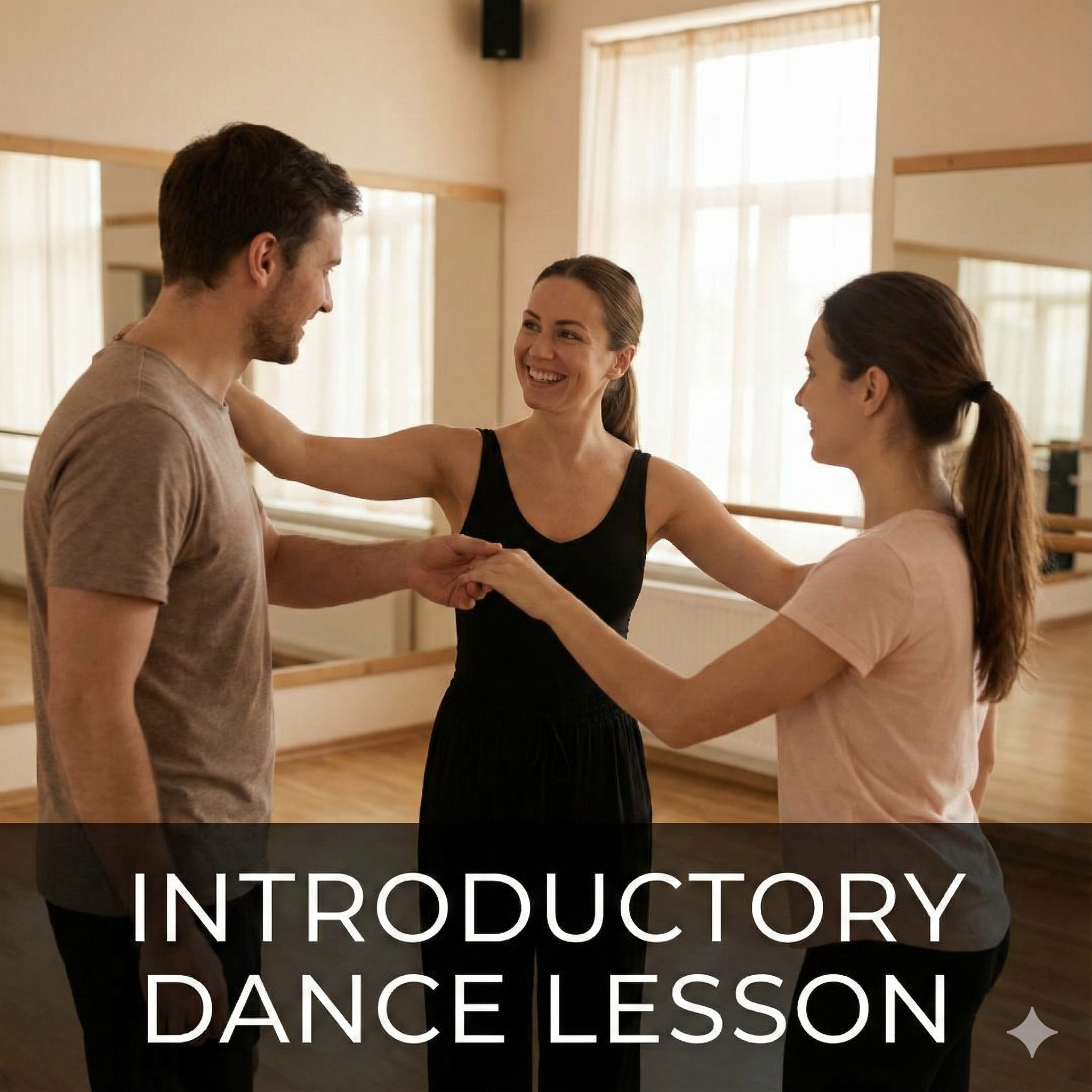
Getting started with dance lessons can feel both exciting and uncertain — especially if you’ve never taken a lesson before. This guide walks you through what to expect, how to prepare, and how to make the most of your first classes so your idea becomes a confident, joyful reality.
Why take dance lessons?
Movement improves physical health: better posture, flexibility, strength, and cardiovascular fitness.
Dance builds confidence: learning steps and performing in front of others strengthens self-assurance.
Social connection: group classes and partner dances are an easy way to meet people.
Creative expression: dance lets you communicate mood, story, and personality without words.
Long-term enjoyment: what starts as curiosity can become a lifelong hobby or even a new career path.
Choosing the right class
Decide your goal: social dancing, fitness, competitive dance, performance, or just fun.
Pick a dance style: ballroom (waltz, tango, foxtrot), latin (salsa, cha-cha, rumba), ballet, jazz, contemporary, hip-hop, or social dances. Beginners should try an introductory class in a few styles to see what resonates.
Look for dance instructors or studios near your area. Go through their website and read up on their descriptions and reviews. Many instructors are independent teachers renting space at studios so check their websites as well.
Group vs private lessons: group classes are affordable and social; private lessons accelerate progress and address individual needs.
What to expect in your first lesson
Warm-up: gentle stretches and basic movement to prepare your body.
Foundations: instruction on posture, basic steps, rhythm, and simple patterns.
Partnering basics (if applicable): how to hold frame, lead/follow fundamentals, and safe connection.
Repetition: instructors will repeat drills to build muscle memory.
Feedback: teachers give corrections and encouragement. Don’t take corrections personally — they help you improve faster.
How to prepare
Clothing: wear comfortable clothes that let you move. For ballroom or social dance, avoid heavy shoes and choose something that slides a little on the floor (dance shoes, leather-soled shoes, or low-heeled dress shoes). For ballet or fitness classes, wear snug, stretchable clothing.
Shoes: if you’re unsure, start with clean, flexible shoes you can move in. Many studios allow bare feet or socks for certain styles.
Hydration: bring a water bottle and arrive a few minutes early to check in.
Mindset: expect to make mistakes. Beginners learn by trying, failing, and trying again. Be curious, patient, and kind to yourself.
Tips for learning efficiently
Practice regularly: short, consistent practice sessions (15–30 minutes) are better than infrequent long ones.
Focus on basics: mastering fundamentals like timing, posture, and foot placement accelerates progress.
Record yourself: videoing practice sessions helps you see what you can’t feel.
Ask questions: good teachers welcome questions about timing, technique, and exercises.
Cross-train: strength, flexibility, and cardio work support dance progress and reduce injury risk.
Overcoming common fears
“I have two left feet.” Everyone starts somewhere. Coordination improves with practice.
“I’m too old/too out of shape.” Dance is adaptable; instructors modify moves for all fitness levels.
“I’ll look silly.” Beginners are expected; most fellow students are supportive and focused on their own learning.
“I’m not musical.” Rhythm can be trained. Start with simple counts and build from there.
Finding a teacher or studio
Look for certified instructors or experienced teachers who specialize in beginners.
Ask about trial classes or beginner packages — many places offer a first class discount or trial lesson.
Observe a class: watch how the teacher explains, corrects, and engages students.
Communicate your goals: a good instructor will tailor lessons to help you reach them.
Next steps after your first few lessons
Set small goals: learn a basic routine, dance with a partner for a song, or attend a social dance night.
Join practice sessions or mixers to apply what you’ve learned in a fun setting.
Consider private lessons to accelerate technique or polish performance.
Keep a progress log: note what you learn each week and what to focus on next.
Finally, don’t overthink it. Taking your first dance lesson shouldn’t be complicated nor taken seriously. At the end of the day, you’re just moving to music, having fun, and enjoying a new experience. Even if it wasn’t a great experience, you tried it and you can move on to another teacher or studio., There’s not a lot of downsides to this but the upside can be life changing!