
The Surprising Health Benefits of Ballroom Dancing
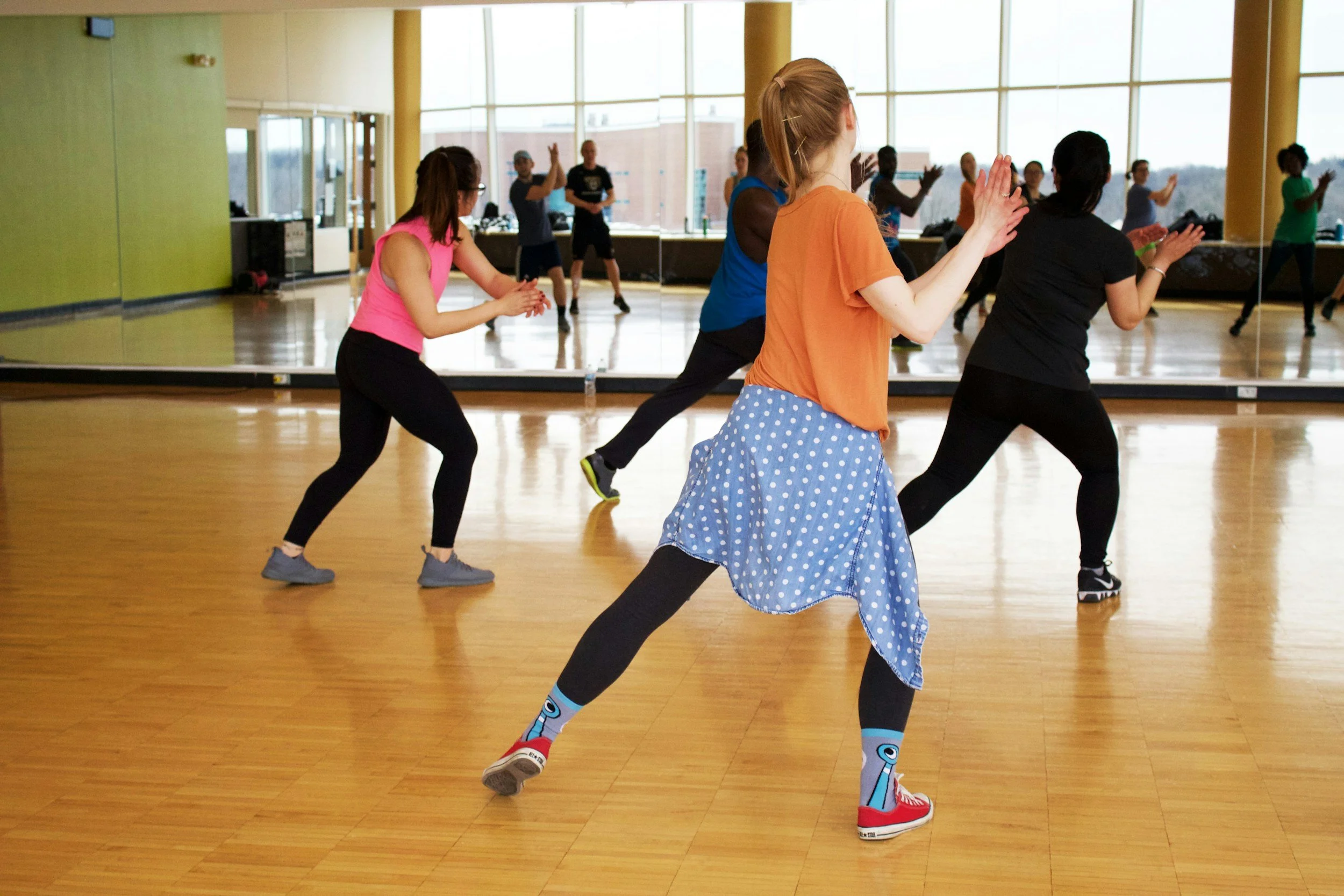
When most people think about staying healthy, they picture treadmills, weight rooms, or maybe a yoga class. But what if I told you that one of the most effective workouts for your body and brain looks nothing like traditional exercise? In fact, it involves music, elegant movements, and a partner by your side.
Ballroom dancing isn't just a beautiful art form or a fun date night activity—it's a powerful health intervention backed by decades of scientific research. From protecting your brain against dementia to strengthening your heart, the health benefits of ballroom dancing are both surprising and substantial. Let's explore why doctors, neuroscientists, and health researchers are increasingly recommending dance as medicine.
Your Heart Will Thank You
Let's start with the basics: ballroom dancing is an excellent cardiovascular workout. When you're gliding across the floor in a Waltz or spinning through a Quickstep, your heart rate elevates into the moderate aerobic zone—typically around 68% of your maximum heart rate. This consistent cardiovascular engagement strengthens your heart, improves circulation, and helps lower both blood pressure and cholesterol levels.
What makes dancing particularly effective is that it doesn't feel like exercise. Unlike staring at a timer on a treadmill, you're engaged in the music, focused on your partner, and enjoying the creative expression. Research shows that activities people actually enjoy lead to better exercise adherence, meaning you're more likely to stick with dancing long-term compared to conventional workouts.
The weight-bearing nature of dance also provides benefits that go beyond cardiovascular health. The varied movements—from quick footwork to controlled glides, turns, and dips—work multiple muscle groups simultaneously. Your legs, core, arms, and back all get engaged, building strength and improving muscle tone. For older adults especially, this weight-bearing exercise helps maintain bone density and can slow or prevent osteoporosis, reducing the risk of fractures.
The Brain Benefits: Why Neurologists Are Excited About Dance
Here's where things get really interesting. A landmark 2003 study published in the New England Journal of Medicine examined various leisure activities and their effect on dementia risk in elderly participants. Researchers looked at 11 different types of physical activities including cycling, golf, swimming, and tennis. The surprising result? Only one activity significantly lowered the risk of dementia: dancing.
In fact, frequent dancers showed a 76% reduction in dementia risk compared to non-dancers. This finding sparked a wave of neuroscience research into why dance is so uniquely beneficial for the brain.
Dr. Daniel Tarsy, a professor of neurology at Harvard Medical School and director of the Parkinson's Disease and Movement Disorders Center, explains that the complex mental coordination dance requires activates multiple brain regions simultaneously. When you're learning choreography, you're memorizing sequences, processing rhythm, coordinating with a partner, making split-second decisions about foot placement, and maintaining spatial awareness—all at once. This mental workout creates and strengthens neural pathways throughout the brain.
Recent brain imaging studies have confirmed what researchers suspected: ballroom dancing enhances neuroplasticity, your brain's ability to form new connections and adapt. This is particularly valuable as we age, helping to maintain cognitive function and protect against decline. Studies show measurable improvements in memory, attention span, problem-solving skills, and spatial recognition among regular dancers.
The cognitive challenge of partner dancing sets it apart from solo exercise. You're constantly making micro-adjustments based on your partner's movements, the music, and your position on the floor. This spontaneous decision-making and problem-solving keeps your mind sharp in ways that repetitive solo exercises cannot match.
Mental Health and Emotional Well-Being
Beyond the physical and cognitive benefits, ballroom dancing offers profound mental health advantages. The structured yet expressive nature of dance provides a unique outlet for emotional release. Through movement, you can channel feelings—joy, frustration, passion, or stress—that words might fail to adequately express.
Research consistently shows that ballroom dancing reduces stress and anxiety while boosting mood. One study of Swedish teenagers dealing with stress, anxiety, and depression found that those who took up partner dancing experienced significant decreases in anxiety and stress levels, along with improved overall mental health compared to non-dancers. The participants also reported feeling happier.
The mechanism behind these mental health benefits is multifaceted. Dance increases levels of serotonin, often called the "feel-good hormone," which naturally elevates mood. The physical activity component provides the well-established mental health benefits of exercise. The music adds another layer—research shows that music has a stimulating effect on physical activity and can evoke positive memories and emotions, particularly when dancers hear songs from their youth.
Recent studies have also uncovered a fascinating connection between long-term ballroom dance and empathy. Research examining the anterior cingulate cortex—the brain region responsible for empathic abilities—found that experienced dancers show enhanced empathy and emotional connection. This suggests that the partnership aspect of ballroom dance literally rewires your brain to be more attuned to others' emotions and experiences.
The Social Connection Factor
In an era of increasing isolation and loneliness, the social benefits of ballroom dancing deserve special attention. Partner dancing is fundamentally about connection—moving together in harmony with shared rhythm and purpose. This creates bonds that extend beyond the dance floor.
Unlike many forms of exercise that you do alone or in parallel with others, ballroom dancing requires genuine interaction and communication with your partner. You're learning to lead or follow, reading each other's subtle cues, and working together toward a common goal. These skills translate into better communication and stronger relationships in all areas of life.
The ballroom dance community itself provides rich opportunities for social connection. Regular classes, practice sessions, and social dances create a built-in social network of people who share your interests. For older adults especially, this social engagement is crucial for maintaining mental health and quality of life. Researchers note that regular socialization has measurable benefits on self-esteem, stress levels, and even body mass index.
The sense of achievement from mastering new routines or performing at social events significantly boosts self-confidence. Many dancers report that the poise, grace, and confidence they develop on the dance floor carries over into other social situations, making them feel more comfortable and self-assured in professional and personal settings.
A Workout That Doesn't Feel Like Work
One of the most compelling aspects of ballroom dancing as exercise is that it barely feels like a workout. You're not counting reps or watching the clock—you're immersed in music, focused on mastering beautiful movements, and enjoying time with your partner or fellow dancers. Yet a typical hour-and-a-half dance class includes 15 minutes of warm-up and stretching, 60 minutes of moderate-intensity dance practice, and 15 minutes of cool-down.
This combination of cardiovascular exercise, strength training, flexibility work, and balance practice addresses all the major components of physical fitness in a single, enjoyable activity. The continuous engagement with different rhythms, patterns, and movements provides variety that keeps both body and mind challenged and prevents the boredom that often leads people to abandon exercise routines.
Flexibility improves naturally as you stretch during warm-ups and execute the extending and bending movements required in dances like the Tango, Foxtrot, and Viennese Waltz. Better flexibility not only improves your dancing but also reduces injury risk, decreases joint pain, and enhances core strength and balance—benefits that improve quality of life well beyond the dance studio.
Great for All Ages and Stages
Perhaps the most democratic aspect of ballroom dancing is that it truly is for everyone. Unlike high-impact sports that become risky as we age, ballroom dancing is low-impact and can be adapted to any fitness level. Whether you're a teenager or in your 80s, a complete beginner or an experienced athlete, you can start ballroom dancing and reap its benefits.
Research on cancer patients has even shown that ballroom dancing can improve physical, psychological, and mental well-being during treatment and recovery. In one study, both patients and their healthy partners who participated in dance classes showed significant improvements across all measures of well-being, demonstrating that the benefits extend to people at all levels of health.
For those recovering from injury or surgery, dance can be an effective low-impact rehabilitation tool. For older adults concerned about falls, the balance and coordination improvements from dancing can help prevent stumbles and maintain independence. For young people dealing with stress, it offers a creative outlet and community connection.
Take the First Step
The evidence is clear: ballroom dancing is one of the most effective activities you can do for your overall health. It strengthens your heart, builds muscle, protects your brain, lifts your mood, expands your social circle, and—crucially—brings joy to your life. Unlike exercise that feels like a chore, dancing is something you'll look forward to, making it sustainable for the long term.
You don't need to be naturally graceful or have any previous experience. Every expert dancer started as a complete beginner, and the journey of learning is where many of the benefits come from. The cognitive challenge of being a beginner is actually part of what makes dancing so good for your brain.
Ready to experience these benefits for yourself? Whether you're looking to prepare for a wedding, try something new, or invest in your long-term health, there's never been a better time to start. Your future self—with its healthier heart, sharper mind, and broader social connections—will thank you for taking that first step onto the dance floor.